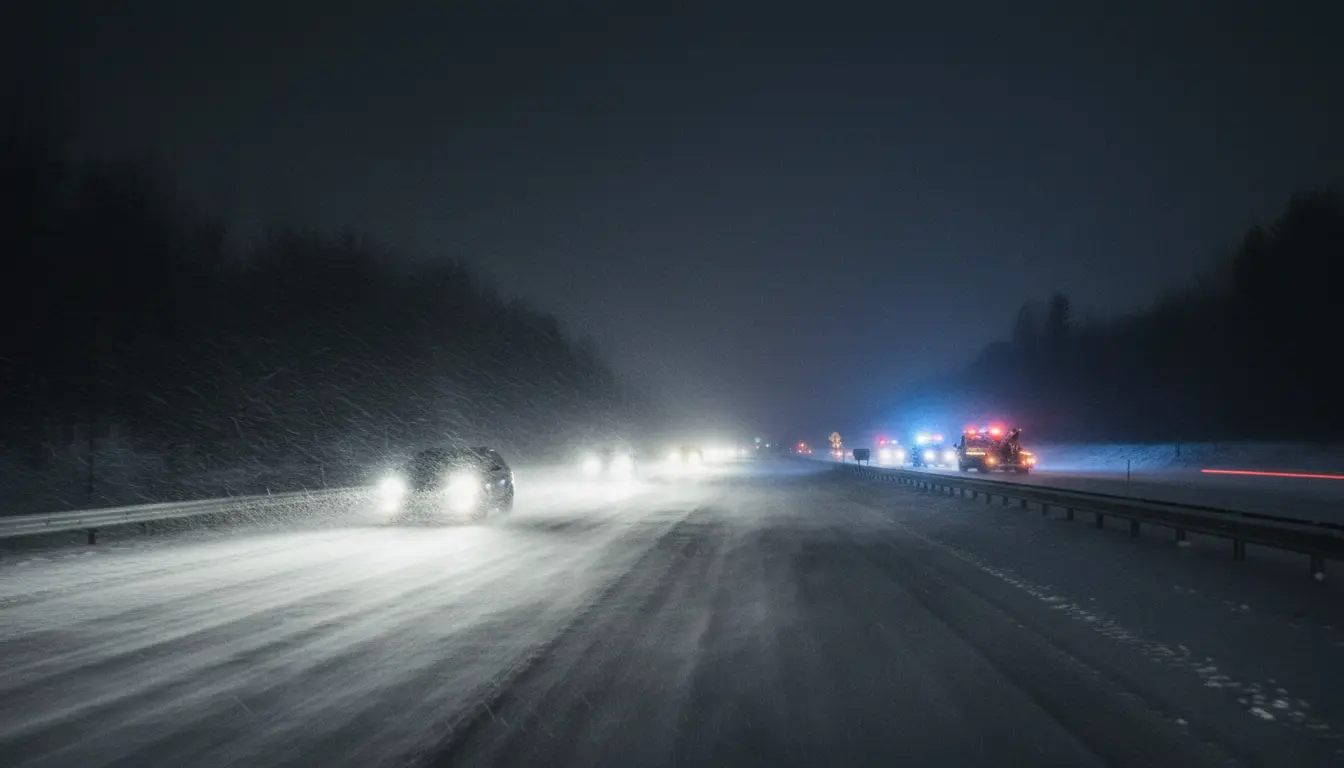
Heavy snowfall expected to start late tonight — What to expect
Weather services now forecast heavy snowfall beginning late tonight. Travel alerts are already in place, and officials warn of hazardous conditions on roads, sidewalks, and public transport routes.
This article explains what to expect, how to prepare, and what actions to take if you must travel. The guidance is practical and focused on reducing risk and travel disruption.
Travel alerts and hazardous conditions explained
Travel alerts typically indicate reduced visibility, icy surfaces, and snow accumulation that will affect vehicle control. Expect slower traffic, longer commute times, and potential closures of smaller roads or bridges.
Alerts may be issued in stages — from advisories to warnings — depending on intensity and expected duration. Follow local emergency services and transport agencies for the latest updates.
Key hazards to watch for
- Reduced visibility from heavy falling and blowing snow.
- Black ice on treated and untreated surfaces, especially bridges and shaded areas.
- Snowpacked and slushy roads that reduce traction and increase braking distance.
- Stranded vehicles and stalled traffic on secondary roads.
Before the heavy snowfall starts: practical preparation
Prepare now to avoid last-minute problems. Small steps reduce travel chaos and protect your household.
Home and family checklist
- Stock basic supplies: water, nonperishable food, medications, flashlights, and extra batteries.
- Charge phones, power banks, and backup devices. Have a charging plan if power goes out.
- Check heating systems and keep a safe heating alternative available if needed.
- Clear gutters and secure outdoor items that could be lost or damaged in strong winds and snow.
Vehicle checklist
- Fill the fuel tank and top up windshield washer fluid with antifreeze solution.
- Fit winter or all-season tires with good tread. Check tire pressure regularly.
- Pack an emergency kit: warm blankets, a shovel, ice scraper, flashlight, high-visibility vest, jumper cables, and sand or kitty litter for traction.
- Ensure wipers and lights work; clear all snow before driving so you have full visibility.
Deciding whether to travel during the heavy snowfall
If travel alerts are active, reconsider nonessential trips. Employers and schools may announce closures; check before leaving.
If you must travel, plan a conservative route using major roads that are prioritized for plowing and salting. Allow extra travel time and inform someone of your route and expected arrival time.
Driving tips in heavy snow
- Slow down and increase following distance — braking distances can be 3-10 times longer on snow and ice.
- Brake gently to avoid skidding. If you start to skid, steer into the skid and avoid heavy braking.
- Use low-beam headlights in heavy snow; high beams can reflect back and reduce visibility.
- Avoid cruise control on slippery surfaces.
What to do if you get stranded
Stay with your vehicle unless a safe, nearby shelter is within easy walking distance. Your vehicle provides shelter, visibility, and makes it easier for rescue teams to find you.
Keep the exhaust pipe clear of snow to prevent carbon monoxide buildup. Run the engine sparingly to conserve fuel and warm the vehicle periodically.
Public transport and pedestrian guidance
Public transport services may operate on reduced timetables or pause for safety. Check official transit apps and websites for real-time updates and service alerts.
Pedestrians should wear high-visibility and water-resistant clothing. Take deliberate steps on icy sections, and avoid shortcuts that are not maintained or lit.
Small real-world example: local road crew strategy
Example: A regional road authority prepared for a late-night snow event by pre-treating major routes with brine in the afternoon, staging plows and tow trucks, and issuing an explicit no-travel advisory for smaller roads.
That strategy allowed primary arteries to remain passable overnight, reduced the number of stranded vehicles, and gave emergency services quicker access to critical incidents the next morning.
Communication and official information sources
Monitor official emergency alert systems, national weather service updates, and local transport agencies. Social media accounts for police, fire, and transit agencies often provide fast updates, but rely on official websites for verified guidance.
Set weather alerts on your phone and enable location-specific warnings. Know the phone numbers for local road services and emergency dispatch.
Summary checklist: stay safe during heavy snowfall
- Avoid travel if possible once the heavy snowfall starts.
- Prepare your home and vehicle now: supplies, fuel, and emergency kit.
- Follow official travel alerts and choose major routes if you must go out.
- Drive slowly, use low beams, and avoid cruise control in snow.
- If stranded, stay with your vehicle and keep the exhaust clear.
Heavy snowfall starting late tonight can create significant travel chaos and hazardous conditions. Preparation, cautious decision-making, and following official alerts will reduce risk and help communities recover more quickly.