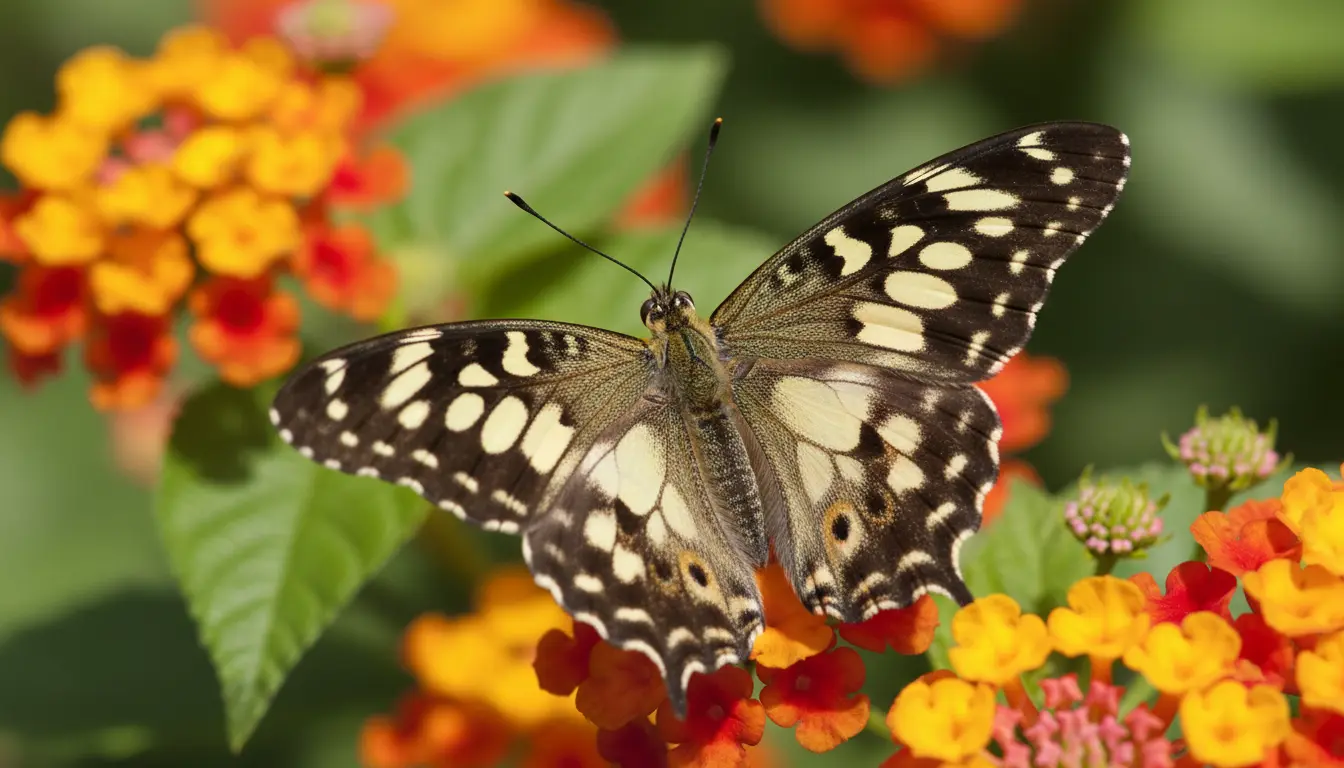
What is the heat-loving, drought-proof plant that attracts butterflies?
The plant often used to transform hot, dry yards into vibrant butterfly havens is lantana (Lantana spp.). Lantana is a heat-loving, drought-proof plant with long-lasting flower clusters that attract many butterfly species.
Lantana grows well in full sun, blooms from spring to frost in many climates, and tolerates poor soil. It is a practical choice for gardeners who want low-maintenance pollinator habitat.
Why this heat-loving, drought-proof plant is ideal for a butterfly haven
Lantana offers continuous nectar supply, bright flower clusters, and dense foliage that gives butterflies a place to rest. Butterflies are drawn to the variety of colors produced in a single bloom cluster.
Its drought tolerance means you can establish a butterfly garden with lower water needs. That makes lantana especially useful in arid or Mediterranean climates and for water-wise landscaping.
Key benefits of planting lantana
- Long bloom period that provides nectar through much of the year.
- Low water and low maintenance once established.
- Attracts a wide range of butterflies and other pollinators.
- Available in trailing and upright varieties for different landscape uses.
- Tolerates heat, poor soil, and salt spray in coastal areas.
Choosing the right lantana variety for your yard
Select a variety based on climate, space, and design goals. Upright lantanas (Lantana camara) form mounds 2–4 feet tall. Trailing lantanas (Lantana montevidensis) spread low and are good for slopes, borders, or containers.
Color selection is mostly aesthetic. Mixed-color clusters often attract the most attention from butterflies. Check local nurseries for cultivars suited to your zone so you avoid invasive types where that is a concern.
Best varieties to consider
- Lantana camara (upright): strong nectar source, bright clusters.
- Lantana montevidensis (trailing): good for groundcover and containers.
- Compact cultivars: suitable for small gardens and edging.
Planting and site preparation for a butterfly haven
Plant lantana in a sunny spot with at least six hours of direct sun each day. Good drainage is essential; lantana will not tolerate waterlogged soil.
Prepare the bed by removing weeds, loosening the topsoil, and amending with a small amount of compost if your soil is extremely poor. Lantana does not need rich soil to thrive.
Planting steps
- Dig a hole twice as wide and the same depth as the nursery pot.
- Place the plant and backfill, firming gently around the root ball.
- Water thoroughly after planting and again the next day to settle the soil.
- Apply a 1–2 inch layer of mulch, keeping it away from the crown to reduce rot risk.
Care and maintenance tips for a thriving butterfly garden
Once established, lantana needs minimal care. Water young plants regularly until their roots develop, then reduce watering to encourage drought tolerance.
Light pruning in late winter or early spring promotes healthy growth and keeps plants tidy. Deadhead spent blooms on some varieties to encourage more flowering, though many cultivars bloom well without heavy deadheading.
Pruning, pests, and propagation
- Prune lightly to shape and remove leggy growth in early spring.
- Watch for common pests like whiteflies or aphids; treat with insecticidal soap if necessary.
- Propagate by softwood cuttings or by dividing trailing types in spring.
Design ideas to maximize butterfly visits
Group plants in clusters of three to five for better visibility and easier nectar access. Mix lantana with other nectar-rich, drought-tolerant plants for continuous bloom.
Provide sunny, sheltered spots and a shallow water source such as a mud puddle or damp sand for butterflies that puddle to take in minerals.
Companion plants to extend blooms and attract more species
- Salvia — long bloom periods and strong nectar.
- Gaura — airy blooms that complement lantana color.
- Asclepias (milkweed) — larval host plants for monarchs.
- Coreopsis and yarrow — drought-tolerant nectar sources.
Short case study: Suburban yard turned butterfly haven
In Phoenix, a homeowner replaced a high-water lawn with a mixed xeriscape featuring lantana, salvia, and native grasses. They planted 20 lantana shrubs along a sunny border and added three containers of trailing lantana for spillover color.
Within the first season the yard saw a measurable increase in butterflies, especially painted ladies and swallowtails. Water use dropped by about 60 percent, and the homeowner reported fewer garden maintenance hours.
Common cautions and regional considerations
In some regions lantana camara is considered invasive. Check local extension services for guidance before planting non-native types. If invasiveness is a concern, choose sterile cultivars or native alternatives that provide similar benefits.
In frost-prone zones, treat lantana as an annual or grow it in containers that can be moved indoors during cold snaps.
Quick checklist to start your butterfly-friendly lantana planting
- Choose full sun site with good drainage.
- Select upright or trailing lantana based on space.
- Plant in clusters for visibility and nectar concentration.
- Water until established, then reduce for drought tolerance.
- Add companion nectar and host plants for variety and season-long blooms.
With modest effort, this heat-loving, drought-proof plant can be the backbone of a low-water, high-impact butterfly garden. Proper selection and care will reward your yard with color, movement, and beneficial pollinators for many seasons.