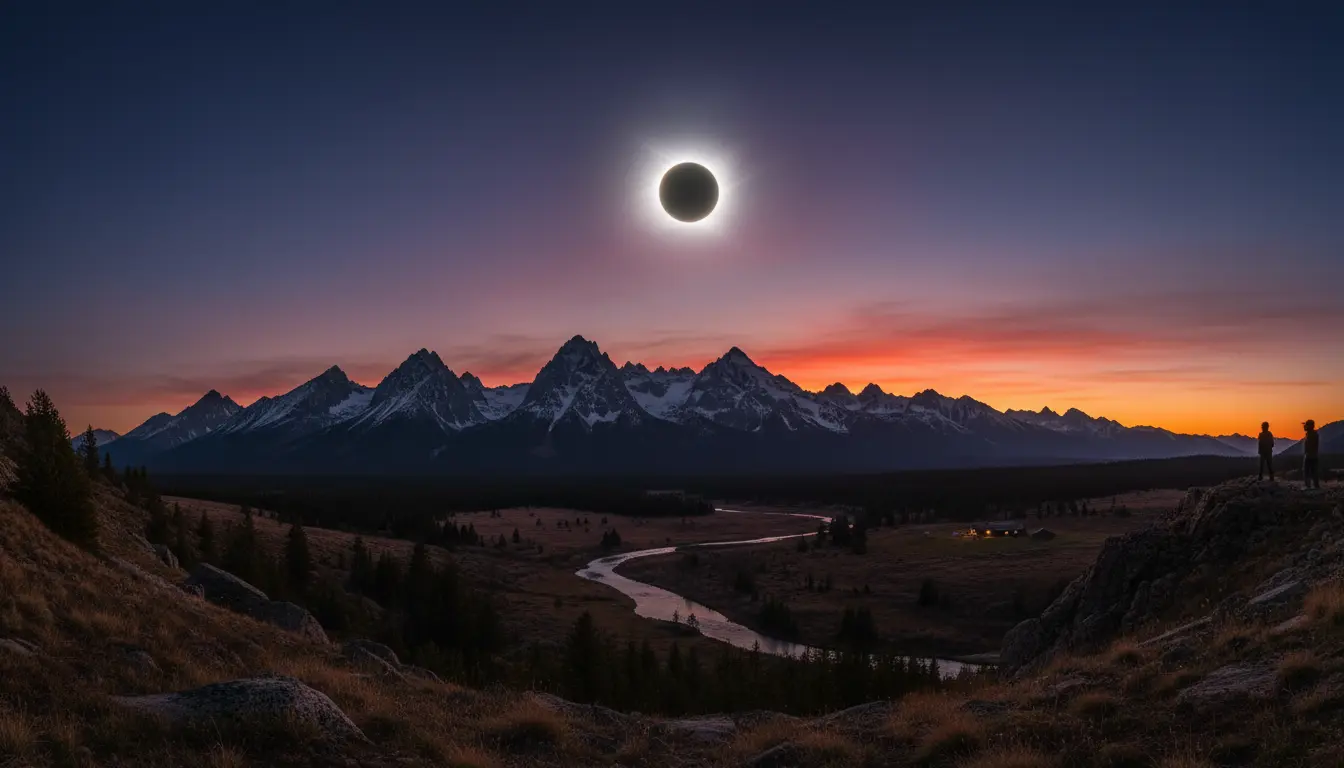
The next total solar eclipse promises unusual duration and broad visibility. This guide explains how to prepare for darkness, stay safe, and make the most of the event without hype. Use these practical, step-by-step instructions whether you are a first-time observer or an experienced eclipse chaser.
How to Prepare for Darkness During a Total Solar Eclipse
Preparing for darkness means planning for a sudden and temporary drop in light, temperature changes, and crowds. Start by checking the exact path of totality and local timings for partial and total phases.
Key preparatory steps include packing safety gear, confirming travel logistics, and deciding on a viewing location well ahead of time.
Know the Timeline for the Total Solar Eclipse
Understand the sequence: first contact (partial begins), second contact (totality starts), totality period, third contact (totality ends), and last contact (partial ends). Totality may last longer than usual for this record-breaking eclipse, so plan accordingly.
- Arrive at your site at least 1–2 hours before first contact to avoid last-minute travel delays.
- Check the local start and end times from a reliable source like a national observatory or official eclipse map.
- Allow extra time for traffic and crowding after the event.
Safety First: Eye Protection for the Total Solar Eclipse
Never look directly at the sun without certified solar filters except during totality. Ordinary sunglasses do not protect your eyes.
Approved options include ISO 12312-2 solar viewing glasses and handheld solar viewers. Inspect filters for scratches or damage before use.
- Only remove filters during the brief period of totality when the sun is fully covered by the moon.
- Put filters back on before the bright edges of the sun reappear.
- Keep spare filters for children or group members who may misplace theirs.
Viewing Gear Checklist
Bring simple gear that supports safety and comfort.
- ISO-certified solar glasses for every person.
- Sunshade, hat, and sunscreen for waiting periods.
- Chair or blanket, snacks, and water.
- Binoculars or a telescope only if fitted with solar filters.
- Portable radio or smartphone with offline maps and emergency numbers.
Travel and Timing for the Total Solar Eclipse
Record-breaking eclipses draw large crowds. Plan travel, lodging, and backup sites early. Expect roads and services to become congested in the days around the event.
If you will travel, reserve accommodations months in advance and consider rural viewing sites to avoid traffic.
Choosing a Viewing Site
Pick a site with a clear southern horizon and minimal light pollution. Weather is the main variable; identify alternate nearby locations with better forecasted conditions.
- Open fields, hilltops, and coastal areas often provide unobstructed views.
- Check local rules for public lands and obtain permits if needed.
- Plan emergency exit routes in case of heavy traffic after the event.
Photographing the Total Solar Eclipse
Photography can enhance your experience but requires planning. Prioritize your eyes and the viewing experience over photos.
If you plan to photograph, practice with your equipment and learn exposure settings for different eclipse stages.
Basic Photography Tips
- Use a tripod and a remote shutter to avoid camera shake.
- Fit a proper solar filter on any lens for partial phases and remove it only during totality.
- Bracket exposures: take several shots at different shutter speeds to capture corona details.
- Consider long focal lengths (200mm+) for close-up shots, but wide angles also capture landscape context.
Practical Considerations and Comfort
Expect temperature drops and changes in animal behavior during totality. Dress in layers and bring insect repellent if you will be outdoors for hours.
Have a basic personal kit: water, snacks, first aid, medications, and a charged power bank for phones. Prepare for limited cell service in crowded areas.
Managing Groups and Accessibility
If attending with family or a group, assign meeting points and times. Make special arrangements for people with mobility issues or young children.
- Reserve parking in advance if possible and note accessible facilities on site.
- Bring portable seating and quick access to shade for those who need it.
Real-World Example: The 2017 Great American Eclipse
In 2017, millions traveled to a narrow path across the United States. Cities and rural areas both experienced heavy traffic and sold-out accommodations. Observers who prepared early secured clear views and enjoyed predictable timing charts distributed by local astronomy groups.
Lessons from 2017: arrive early, expect slow departures, and prioritize safety equipment. Those who ignored these basics faced long delays and missed parts of totality due to last-minute travel.
Final Checklist Before the Total Solar Eclipse
One day before the event, run through a short checklist to reduce stress and maximize viewing time.
- Confirm local eclipse times and weather forecast.
- Pack all safety gear and backup solar filters.
- Charge devices and prepare printed maps in case of poor cell service.
- Plan arrival at least 60–120 minutes before first contact.
- Communicate meeting points and contingency plans for groups.
With planning and simple safety measures you can safely experience this record-breaking total solar eclipse. Prepare for darkness, but also prepare to enjoy one of nature’s most memorable displays.