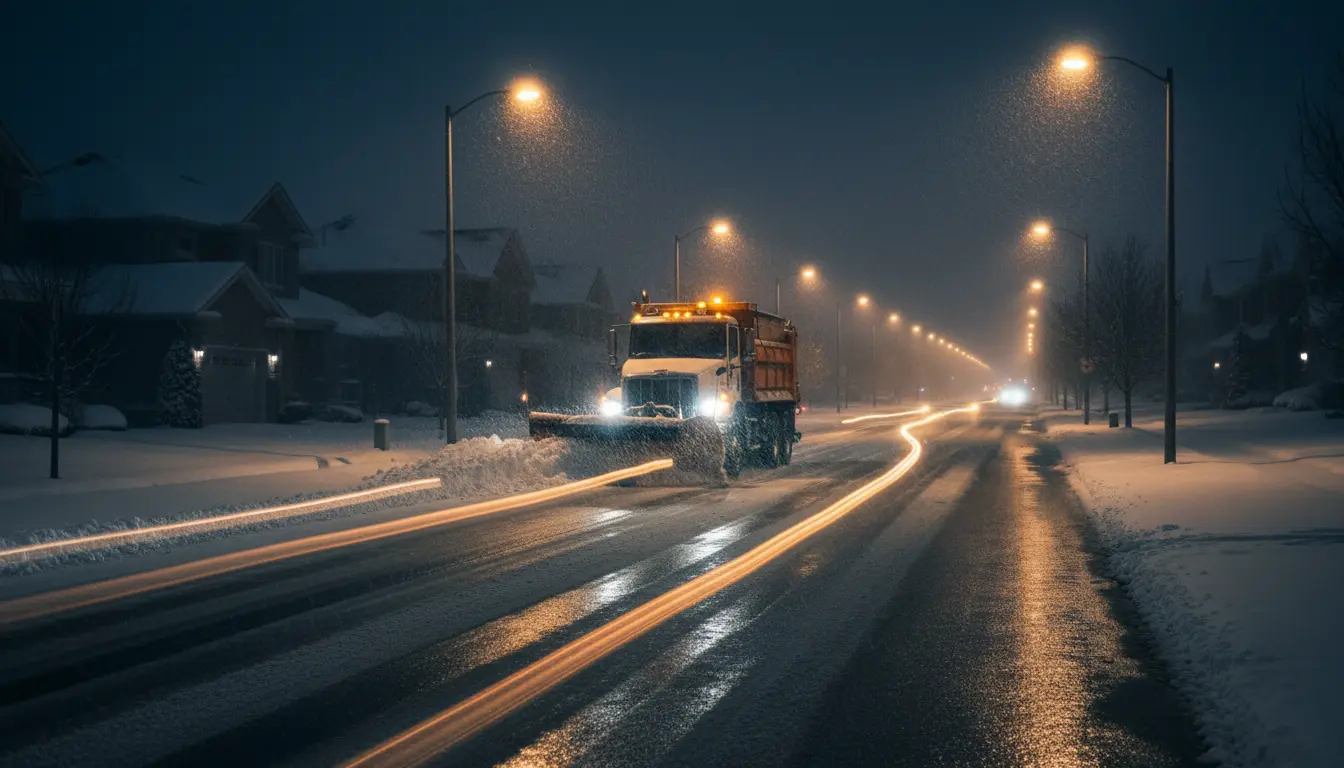
A heavy snow event is expected to begin tonight, and public officials are advising residents to avoid all non-essential travel. This advisory is intended to reduce crashes, keep roads clear for emergency vehicles, and allow crews to treat surfaces.
What to expect as heavy snow is set to begin tonight
Forecasters predict accumulating snow with reduced visibility, slippery roads, and falling temperatures through the overnight hours. Plow and de-icing operations will be active, but response time can be slow when many roads are affected.
Expect travel disruptions including lane closures, slow-moving traffic, and longer emergency response times. Schools and nonessential services may announce delays or closures depending on storm intensity.
Why officials urge residents to avoid all non-essential travel
When heavy snow begins, even familiar routes become hazardous. Officials focus on keeping critical routes clear for ambulances, fire trucks, and utility crews.
Avoiding travel reduces the number of collisions and prevents drivers from becoming stranded. This also helps road crews reach the most important areas faster.
Practical safety checklist before the snow starts
Take these steps now to reduce risk and stay comfortable during the storm. Preparing early is faster and safer than trying to react when roads are already hazardous.
- Charge phones and portable batteries.
- Fill vehicle fuel tanks and top off windshield washer fluid.
- Stock at-home supplies: water, nonperishable food, medications, flashlights, and blankets.
- Gather a small emergency kit for each vehicle: warm clothing, a shovel, ice scraper, sand or kitty litter, and a first-aid kit.
- Park vehicles off the street where possible to allow plows to clear the road.
Home preparations if heavy snow begins tonight
Clearing gutters and securing outdoor items now can prevent damage. Keep heating systems maintained and know how to safely use backup heat sources.
Check smoke and carbon monoxide detectors and have a battery backup for essential medical devices. If you rely on power-sensitive medical equipment, plan for alternate arrangements.
Travel advice if you must go out
If travel is unavoidable, follow these practical steps to reduce risk. Plan for longer trip times and communicate your route to someone at your destination.
- Check current road and weather conditions before leaving and during travel.
- Drive slowly, increase following distance, and avoid sudden braking or lane changes.
- Use headlights and remove all snow from your vehicle for better visibility.
- Carry a charged phone, warm clothing, snacks, and water in case you become stranded.
- Prefer main roads, which are more likely to be plowed and treated.
What to do if your vehicle stalls in snow
Remain with your vehicle if it is safe; it provides shelter and makes it easier for rescuers to find you. Run the engine for short intervals to warm the interior, ensuring the exhaust pipe is clear of snow to prevent carbon monoxide buildup.
Signal for help with hazard lights or a bright cloth tied to the antenna. Conserve fuel and keep a window slightly open for ventilation.
How local agencies manage heavy snow events
Transportation and public works departments typically prioritize major arteries, emergency routes, and transit corridors. Crews operate in shifts and use a mix of plows, salt, and brine depending on conditions.
Officials issue travel advisories and, when necessary, emergency restrictions to reduce risks. Residents can help by moving cars off primary routes and following parking rules during snow emergencies.
Case study: One community response
In a recent heavy snow event in a mid-sized city, officials issued a travel advisory before the storm and pre-staged plow teams along main roads. The city opened a web page with live updates and asked nonessential workers to stay home.
As a result, snow removal crews maintained priority routes more efficiently, and emergency services reported fewer weather-related call delays. The early advisory helped residents make safer choices and reduced the number of stranded vehicles.
Simple rules for employers and event planners
Employers should allow flexible start times or remote work when heavy snow is expected. Event planners must monitor forecasts and consider postponement if attendance or safety would be affected.
Clear internal communications and contingency plans help reduce confusion and keep people safe. If you run an essential service, coordinate with local authorities about priority route access and staffing.
Communication tips during the storm
- Sign up for local alerts and follow official social accounts for the latest directives.
- Use text messages or phone calls for urgent updates, as power or internet may be limited.
- Keep a printed list of emergency contacts in case devices fail.
Heavy snow beginning tonight is a predictable but serious hazard. Acting now to prepare and heeding official guidance to avoid non-essential travel will reduce risk and help emergency operations run smoothly.
Stay informed, stay warm, and avoid travel unless it is necessary. If you must travel, plan carefully and prioritize safety at all times.